
When Equipment Leases Go Unpaid: Enforcing Your Rights in California
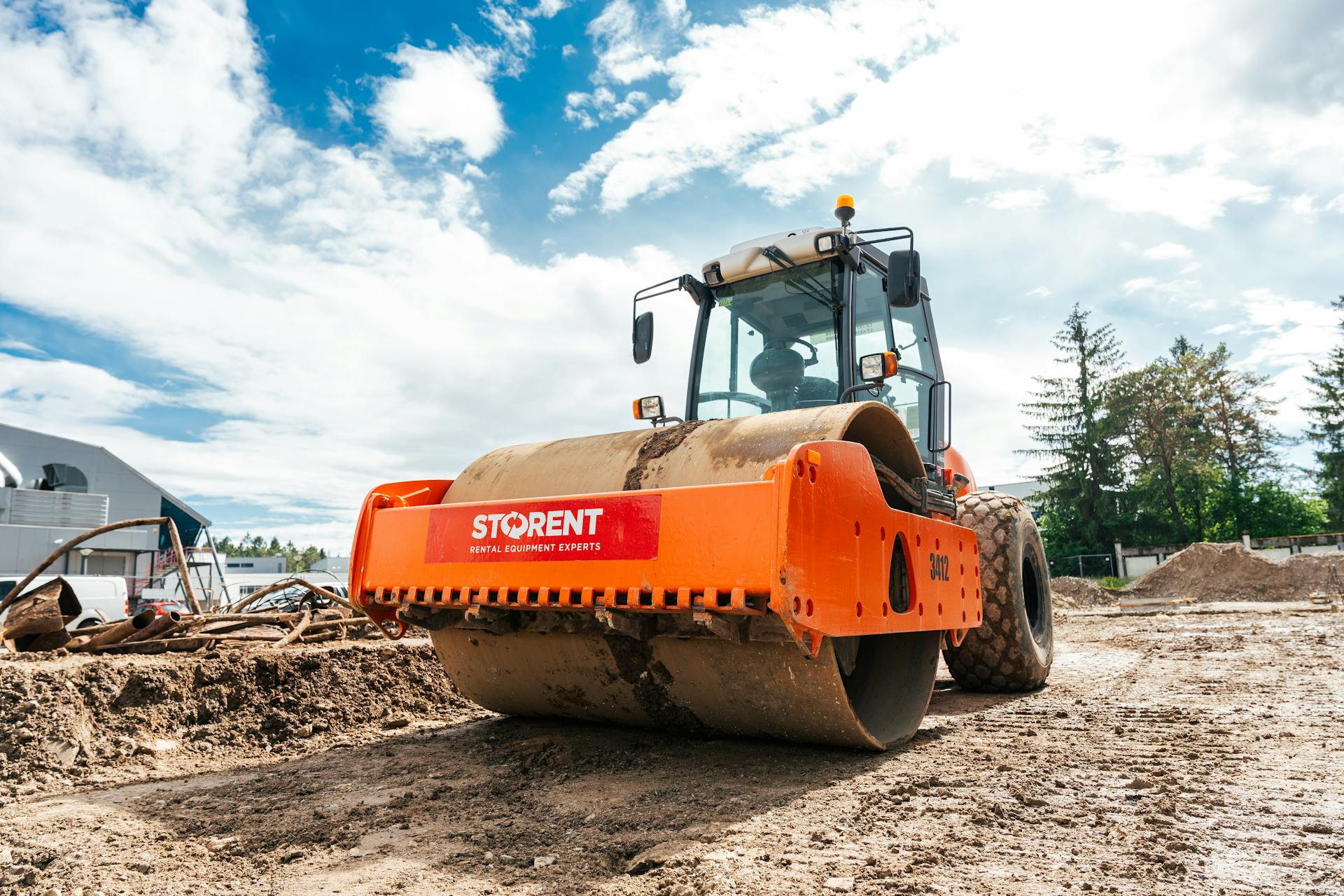
Equipment leasing is vital to many industries, providing businesses with access to essential tools without significant upfront costs. However, when lessees fail to make payments or return leased equipment, equipment lessors in California face significant financial challenges.
Understanding your rights and options is crucial to recovering unpaid equipment leases in California. Working with a skilled collection attorney near you can help you recover unpaid amounts and enforce your rights under leasing agreements.
Common Challenges with Unpaid Equipment Leases
Unpaid equipment leases can result from various scenarios, including the lessee’s financial struggles, disputes over contract terms, or deliberate non-compliance. In many cases, lessors also face the additional burden of recovering the payment and leased equipment. This double loss can lead to significant financial strain for leasing companies. Legal remedies, such as writs of execution and judgment enforcement, offer a path to resolution, but navigating these options effectively often requires consulting a lawyer for collections.
Legal Tools to Recover Unpaid Equipment Leases
Recovering unpaid equipment leases in California often involves a combination of financial recovery and equipment repossession. Here are some of the most effective legal tools available:
- Judgment Enforcement: After obtaining a court judgment, enforcement mechanisms like bank levies, wage garnishments, or property liens can be used to collect unpaid amounts. A debt collection lawyer in California can guide you through this process and ensure you comply with state laws.
- Writs of Execution: When lessees fail to return leased equipment, a writ of execution allows lessors to recover property through legal enforcement. This tool empowers local law enforcement to seize and return the equipment to the lessor. Timely action is critical, and partnering with a collections lawyer can help resolve the process more quickly.
- Court-Awarded Attorney Fees: In some cases, lessors may be entitled to recover attorney fees incurred during the collection process. Understanding how to collect court-awarded attorney fees is vital to minimizing financial losses and maintaining profitability.
Practical Examples of Enforcing Lease Agreements
Consider a construction equipment lessor who leases heavy machinery to a contractor. The contractor stops making payments halfway through the lease term and refuses to return the equipment. The lessor, facing mounting financial losses, files a lawsuit and obtains a judgment against the contractor. By working with a debt collection lawyer in California, the lessor may obtain possession of the equipment by filing an Application for a Writ of Possession and having the Sheriff use the Writ of Possession as authorization to seize and recover the equipment before a judgment is even obtained. Alternatively, if a judgment is obtained, the Creditor may be able to successfully enforce the judgment by having the equipment seized pursuant to a Writ of Execution in addition to recovering the monetary damages for the unpaid lease payments.
In another scenario, a tech company leases high-value servers to a startup. When the startup declares bankruptcy, the lessor is left with unpaid lease payments and no access to the equipment. By consulting a collection attorney, the lessor navigates the bankruptcy process and may recover the servers if it has properly perfected a security interest in the equipment or it may be entitled to a priority payment from the bankruptcy process as a secured creditor.
Why Swift Action Matters
Time is an important factor when addressing unpaid equipment leases. Delayed legal action can result in lost opportunities to recover payments and equipment. Lessees may sell or transfer the equipment, making repossession difficult or impossible. Similarly, outstanding payments may become harder to collect as time passes. By partnering with a debt collection lawyer in California, lessors can act quickly to protect their interests.
Preventive Measures to Minimize Defaults
While legal remedies are effective, preventing payment defaults in the first place is always preferable. Lessors can implement the following strategies:
- Thorough Credit Checks: Evaluate the creditworthiness of potential lessees to minimize risk.
- Clear Lease Agreements: Ensure contracts are detailed and include clauses for late payment penalties, repossession rights, and attorney fee recovery.
- Regular Follow-Up: Monitor payments closely and address delays immediately to prevent escalation.
How a Debt Collection Attorney Can Help
Legal expertise is essential due to the complexities of lease enforcement. A skilled attorney can assist with filing lawsuits, obtaining judgments, enforcing collections, and recovering equipment through writs of execution. They also maintain compliance with California laws, protecting lessors from potential legal pitfalls. Whether dealing with a difficult lessee or enforcing lease terms, consulting a lawyer for collections can lead to the best possible outcome.
Conclusion
For equipment lessors in California, unpaid leases and unreturned equipment are significant challenges that require swift and effective action. Legal tools like writs of possession and writs of execution can significantly aid the Lessor’s ability to regain possession of their equipment in addition to judgment enforcement to collect on the past due lease payments awarded as monetary damages in the judgment. If you’re facing issues with unpaid leases, contact a collection attorney to discuss your options and start the recovery process.