
Secured vs. Unsecured Debt: Why the Difference Matters in Legal Recovery
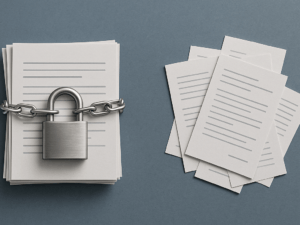
Judgments and debt recovery are not all the same. The difference between secured and unsecured debt determines how much leverage a creditor has, how quickly recovery needs to happen, and what legal tools are available. Creditors who understand this distinction can make informed decisions and avoid losing money when accounts go unpaid. The Law Offices of Stuart Katz, P.C. helps businesses and professionals navigate these differences and pursue recovery with strategies tailored to each claim.
Secured vs. Unsecured Debt: Legal Significance
The main difference between secured and unsecured debt is collateral.
- Secured debt is tied to a specific asset, such as property or equipment, that the creditor can claim if the borrower defaults.
- Unsecured debt is based only on the borrower’s promise to pay.
That distinction shapes recovery strategies, timelines, and outcomes.
Understanding how collateral changes recovery outcomes is critical—and working with a debt collection attorney near you ensures those differences are put to work in your favor.
How Collateral Impacts Debt Collection
- Collateral allows repossession, foreclosure, or seizure if payments stop.
- Secured creditors typically recover more quickly and reliably.
- Unsecured creditors must file lawsuits and use post-judgment remedies.
Why Secured Creditors Have More Leverage
- Courts prioritize secured creditors when dividing assets.
- Debtors are more likely to pay secured debts first to avoid losing property.
- Collateral makes repayment more likely even in bankruptcy.
What Is Secured Debt?
Secured debt is backed by a lien against property or assets.
This gives the creditor a legal interest in something tangible, which can be enforced if the debtor defaults. Mortgages, auto loans, and mechanics’ liens are common examples. Because collateral creates enforceable liens and priority rights, an experienced collection attorney in California can maximize recovery options.
Types of Collateral in Business Debts
- Real estate and vehicles
- Equipment and inventory
- Accounts receivable and invoices
How Liens Work in California
- Liens record a creditor’s legal claim against property.
- They allow foreclosure or forced sale if payments are missed.
- Public record status strengthens creditor leverage.
Are Construction Debts Secured in California?
- Contractors and suppliers may file mechanics’ liens.
- These liens secure payment for labor or materials.
- They provide stronger recovery rights than simple invoices.
What Is Unsecured Debt?
Unsecured debt has no collateral.
The creditor relies on the borrower’s promise to pay, with no direct claim to assets if payments stop. Consumer examples include credit cards, student loans, and medical bills. In business, vendor invoices or open credit lines without collateral are unsecured.
How Unsecured Creditors Recover
- File a lawsuit to establish legal liability.
- Obtain a court judgment against the debtor.
- Use remedies such as wage garnishment or bank levies.
Risks of Relying on Unsecured Accounts
- Lower priority in bankruptcy distributions.
- Recovery depends on whether assets remain after secured debts are paid.
- Many unsecured debts can be discharged entirely.
Can Unsecured Debt Be Converted Into Secured Debt?
- Creditors may negotiate collateral for overdue accounts.
- Security agreements or promissory notes can create enforceable liens.
- Legal counsel ensures documents are valid and enforceable in California.
Why the Difference Matters for Creditors
Secured debts give creditors immediate leverage: they can repossess collateral or foreclose on property. Unsecured debts provide no such rights, requiring lawsuits and judgments before enforcement begins. That gap affects how quickly creditors must act and how much they can expect to recover.
Enforcement Tools for Creditors
- Secured: repossession, foreclosure, asset seizure.
- Unsecured: lawsuits, judgments, garnishments, post-judgment liens.
- Courts consistently place secured claims ahead of unsecured ones.
Why Unsecured Creditors Must Act Quickly
- Assets may be depleted before a judgment is enforced.
- Bankruptcy can discharge unsecured debts entirely.
- Delay reduces the likelihood of recovery.
For unsecured creditors especially, acting quickly and hiring a lawyer for collections can make the difference between recovery and total loss.
Ready to Secure Your Recovery Strategy?
Not all debts are equal. Secured claims provide built-in leverage, while unsecured debts demand speed and precision.
The Law Offices of Stuart Katz, P.C. helps businesses enforce both types with strategies designed to protect receivables.
→ Evaluation of secured vs. unsecured accounts
→ Enforcement through liens, repossession, or judgments
→ Strategic planning to safeguard cash flow
Work with a California Collection Attorney →
How Courts Treat Secured vs. Unsecured Claims
California law prioritizes secured debts in recovery proceedings. Creditors with liens or mortgages are paid first, while unsecured debts may be reduced or discharged.
Treatment in Bankruptcy Cases
- Secured creditors recover through collateral or its sale.
- Unsecured creditors often receive partial payment or nothing at all.
- Chapter 7 liquidation vs. Chapter 13 repayment plan affects outcomes.
Do Secured Creditors Always Get Paid First?
- Generally yes, but lien validity matters.
- Improperly filed or contested liens can reduce priority.
- Courts review competing claims before distribution.
Strategic Considerations for Businesses
Businesses extending credit need to consider whether obligations are secured. Offering credit without collateral increases the risk of total loss if a debtor defaults.
Best Practices for Managing Credit Risk
- Require guarantees or collateral whenever possible.
- Monitor credit exposure by setting credit limits and set clear payment terms.
- Use credit insurance for high-risk accounts.
Role of Attorneys in Structuring Agreements
- Draft enforceable contracts that create security interests.
- Ensure compliance with California lien and UCC rules.
- Protect receivables through proactive legal planning.
How the Law Offices of Stuart Katz, P.C. Supports Creditors
Stuart Katz helps creditors identify whether their claims are secured or unsecured and choose the best recovery path. The firm provides clear strategies and acts quickly to preserve rights.
Legal Strategies for Secured vs. Unsecured Accounts
- Secured: foreclosure, repossession, lien enforcement.
- Unsecured: litigation, judgment enforcement, garnishment.
- Tailored approaches for mixed debt portfolios.
Practical Scenarios for Recovery
Real-world examples highlight the difference between secured and unsecured claims.
Secured vs. Unsecured in Construction
- A mechanic’s lien may ensure that a contractor gets paid even if the property owner defaults.
- An unsecured invoice may leave the same contractor unpaid if funds run out.
Secured vs. Unsecured in Vendor Relationships
- A supplier with collateral in equipment has enforceable recovery rights.
- A service provider with no collateral risks complete loss.
Protect Your Rights with Experienced Counsel
The presence or absence of collateral decides who gets paid first, how quickly creditors must act, and what tools are available. Secured creditors have stronger rights, but unsecured creditors can still recover if they act decisively and with legal support. Delay increases the chance of permanent loss.
If you are wondering if you need an attorney for debt collection, the answer is almost always yes—especially when deadlines and collateral determine the outcome. The Law Offices of Stuart Katz, P.C. evaluates claims, enforces liens, and helps businesses recover what they are owed with efficiency and precision.
Take the Next Step in Protecting Your Rights
Collateral creates advantages, but every debt carries risk.
The Law Offices of Stuart Katz, P.C. ensures creditors act quickly, enforce liens, and pursue recovery across both secured and unsecured claims.
→ Foreclosure, repossession, and lien enforcement
→ Litigation and judgment recovery for unsecured debts
→ Professional, efficient, results-driven legal support
Protect Your Business with Experienced Counsel →