
Rising Costs in Construction: Navigating Payment Delays and Debt Recovery
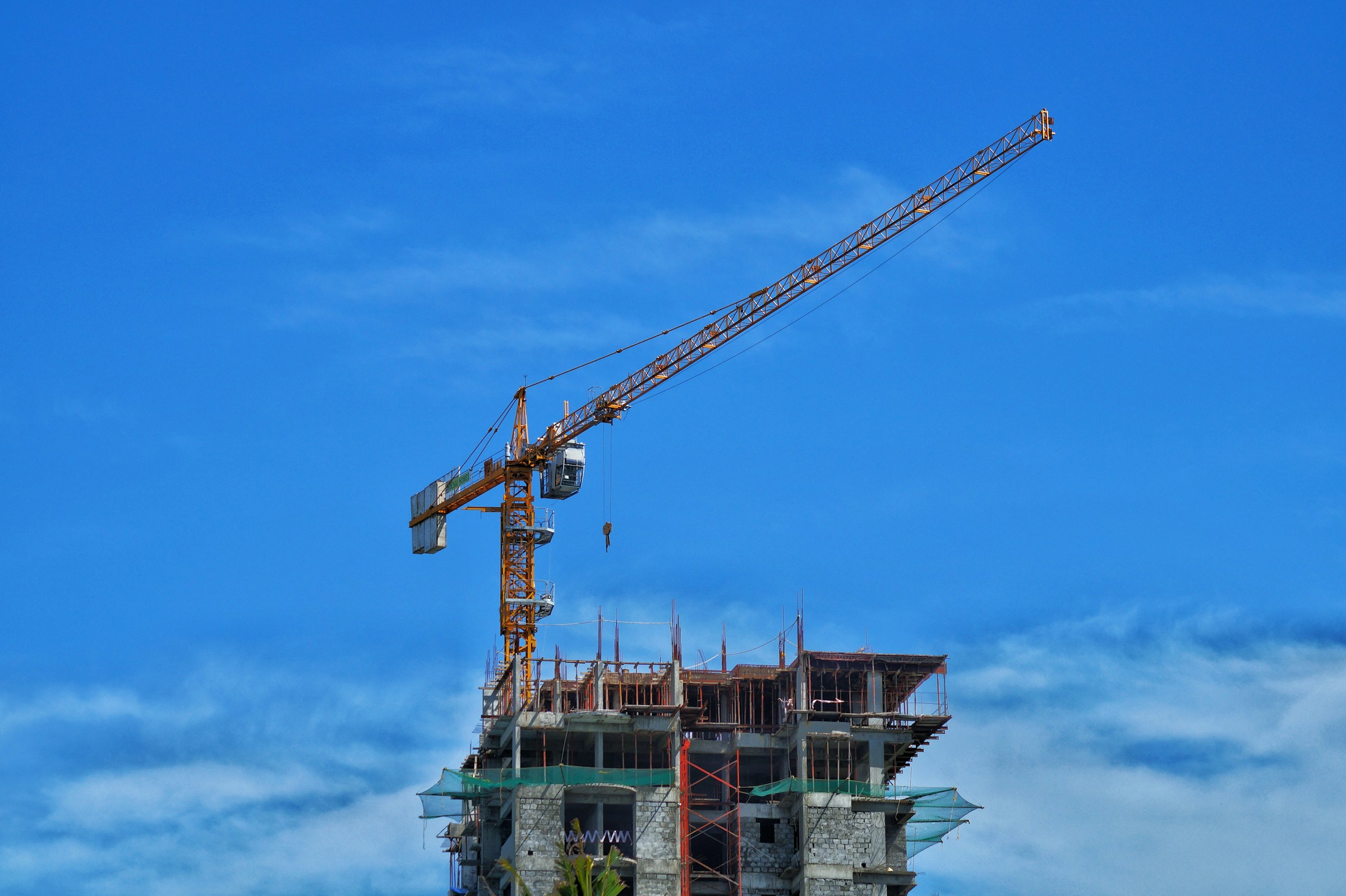
Rising costs have hit the construction industry hard in recent years. Skyrocketing prices for raw materials such as lumber, steel, and concrete have strained project budgets and led to payment delays across the sector. Contractors, subcontractors, and suppliers often wait longer for payments as clients struggle to cover escalating expenses. In this challenging environment, debt recovery in construction has become essential for those affected by unpaid invoices. Understanding the best strategies for debt recovery can make all the difference in maintaining cash flow and protecting your business’s financial stability.
Navigating these financial hurdles is particularly challenging for construction professionals in California due to unique state laws and regulatory frameworks. A collection attorney in California can be invaluable in helping contractors, suppliers, and subcontractors resolve debt issues efficiently and legally.
The Impact of Rising Costs on Payment Behaviors
Inflation has affected nearly every industry, but construction has been hit particularly hard. For example, a contractor working on a commercial building may start a project with a set budget, only to find that costs have risen sharply by the time they need to purchase materials. The resulting budget shortfall often delays payments, as clients might not have anticipated or planned for these additional expenses. In such cases, contractors may find themselves waiting months for payment, impacting their ability to pay their suppliers and subcontractors.
The ripple effect of these delays can create a cycle of debt throughout the construction supply chain, making debt recovery an essential service in construction. When contractors find themselves with unpaid invoices, reaching out to a collection attorney near you can be the first step toward recovering overdue payments and regaining control of cash flow.
Practical Solutions for Construction Debt Recovery
There are several effective methods for debt recovery in the construction industry, including accounts receivable recovery, mechanics’ liens, and, when necessary, legal action. Here’s how these strategies can help contractors and suppliers deal with unpaid debts:
- Accounts Receivable Recovery: This is often the first step in the debt collection process. By working with a skilled attorney who understands construction debt recovery, contractors can initiate a structured approach to collecting overdue invoices. An experienced collection attorney will assess the situation, develop a customized strategy, and follow up with debtors to encourage timely payments.
- Mechanics’ Liens: One of the most powerful legal tools for construction professionals is the mechanics’ lien, which allows contractors, subcontractors, and suppliers to secure an interest in the property where work was performed. If the property owner fails to pay, the lien can prevent them from selling or refinancing the property until the debt is settled. Given California’s unique regulations, understanding California debt collection laws and mechanic’s lien statutes is crucial for effectively utilizing mechanics’ liens.
- Legal Action: When other methods fail, filing a lawsuit may be the only option to recover unpaid debts. A skilled collection attorney can help you understand when it makes sense to take legal action and guide you through the process, from filing the initial complaint to obtaining a judgment and enforcing it.
Scenario-Based Examples: How Rising Costs Lead to Payment Delays
To better understand how rising costs contribute to payment delays in construction, let’s look at a few hypothetical scenarios:
- Scenario 1: A contractor begins a residential development project with a set budget. As the project progresses, the cost of essential materials, such as concrete and lumber, jumps by 20%. The contractor must raise the client’s price to cover the increased cost, but the client struggles to pay, leading to delays in paying the contractor. As a result, the contractor may need to delay payments to their own suppliers and subcontractors, creating a cycle of debt that could be mitigated with timely debt recovery assistance.
- Scenario 2: A subcontractor is hired to complete plumbing work on a large commercial building. Halfway through the project, the cost of copper piping surges, but the budget doesn’t account for this increase. Faced with these unforeseen costs, the general contractor delays payment to the subcontractor. To address this, the subcontractor may consult a debt collection attorney to initiate accounts receivable recovery or file a mechanics’ lien.
These scenarios illustrate how rising material costs can lead to payment delays, affecting the entire construction industry. By working with a collection attorney in California, construction professionals can protect their rights and take proactive steps to recover what they’re owed.
The Role of a Collection Attorney in Construction Debt Recovery
Debt collection in the construction industry is complex, especially in California. Construction professionals need an advocate who understands the intricacies of construction debt recovery. You might ask yourself, “What does a debt collection attorney do?” A debt collection attorney can help clients navigate the nuances of California’s lien laws, prepare accounts receivable recovery plans, and pursue legal action when necessary.
By leveraging the expertise of a collection attorney, contractors can avoid common pitfalls and ensure they’re following best practices for debt recovery. This can include setting up clear payment terms in contracts, maintaining meticulous records, and staying informed about changes in state laws that could impact debt collection efforts.
Why Proactive Debt Recovery is Essential in Today’s Economic Climate
With the ongoing rise in material costs, payment delays are likely to continue across the construction industry. Now, more than ever, proactive debt recovery is essential for maintaining cash flow and protecting your business from financial strain. Taking early action—whether by contacting a debt collection attorney, filing a mechanics’ lien, or initiating accounts receivable recovery—can prevent minor issues from becoming major financial setbacks.
Construction debt recovery is not just about recovering lost funds; it’s about ensuring the financial stability of your business in an unpredictable economy. With the right strategies in place, you can protect your bottom line and keep your projects moving forward, even in a challenging financial landscape.