
Enforcing Out-of-State Judgments in California
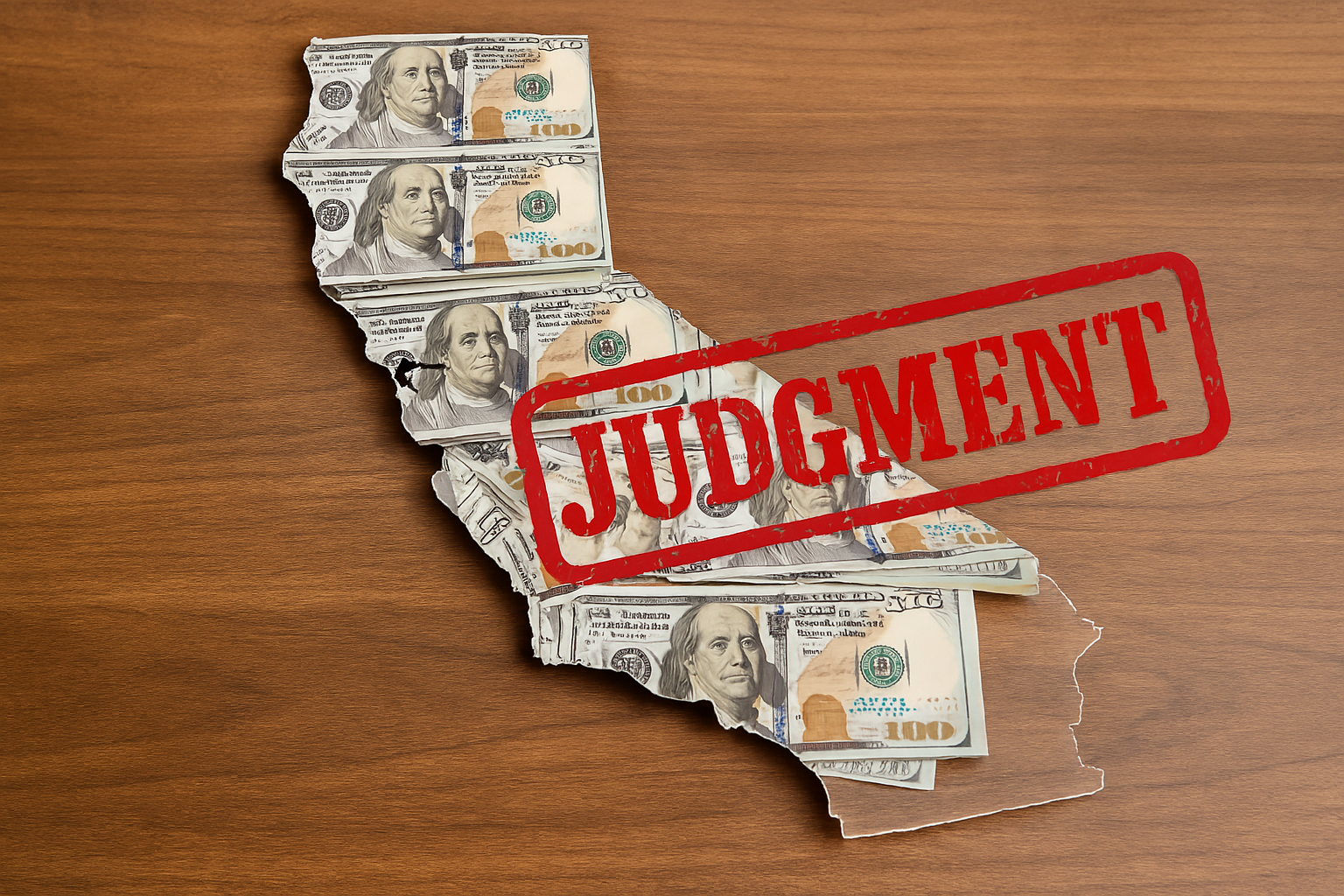
Recovering unpaid debts can be challenging, especially when a judgment against a debtor is issued in a different state. Enforcing an out-of-state judgment in California involves specific legal procedures to ensure the judgment is recognized and enforceable under California law. California enforces out-of-state judgments under the Uniform Enforcement of Sister State Judgments Act (UESJA).
For out-of-state businesses dealing with non-payment by California clients, understanding the process and enlisting a legal professional’s help is essential for successful debt recovery. A collection attorney in California can guide creditors through the complexities of judgment enforcement to secure overdue payments efficiently.
The Process of Enforcing an Out-of-State Judgment in California
The first step in enforcing an out-of-state judgment in California is domestication. This process leads to the entry of a sister state judgment in the California Courts. Once the judgment is domesticated, it allows a judgment from another state to be recognized and enforced as a judgment issued in California.
To initiate domestication, the creditor must apply with the California courts, providing an authenticated copy of the original judgment. Once the sister state judgment is entered in the California court, it is recognized with the same legal authority as a judgment that originated in the California courts. This gives creditors access to California’s judicial enforcement tools, including liens, bank levies, and wage garnishments. Working with a collection attorney near you can streamline this process, ensuring all legal requirements are met.
Challenges to Enforcing Sister State Judgments
While the domestication process is straightforward, several challenges can arise during enforcement. For example, the debtor may dispute the validity of the judgment, claiming procedural errors or lack of jurisdiction in the originating state.
Additionally, differences in state laws can complicate the enforcement process, requiring a deep understanding of the original state’s legal framework and California’s enforcement mechanisms.
Creditors must also locate debtor assets in California to carry out enforcement effectively.. This often involves thorough investigation, which may include locating bank accounts, real estate, or other attachable assets. A legal professional with expertise in effective debt recovery strategies can address these challenges, employing tailored approaches to overcome obstacles and maximize recovery.
Still waiting to get paid on your judgment?
Enforcing an out-of-state judgment in California can be complex.
From debtor disputes to locating assets, professional legal support helps creditors navigate challenges with confidence.
→ Guidance on domestication filings
→ Strategic use of California enforcement tools
→ Decades of experience in business debt collection
Schedule a consultation with Stuart Katz today →
3 California Enforcement Tools for Out-of-State Judgments
Once a judgment has been domesticated, creditors can leverage California’s enforcement tools to recover debts, including:
1. Bank Levies
Creditors can obtain a writ of execution to freeze and seize funds from the debtor’s bank accounts. This is often one of the quickest ways to collect overdue payments.
2. Wage Garnishments
By garnishing a portion of the debtor’s wages, creditors can recover the debt in increments until the judgment is satisfied.
3. Real Estate Liens
Placing a lien on the debtor’s California property ensures the debt must be paid before the property can be sold or refinanced.
Each method requires precise legal execution to comply with California law and protect the creditor’s rights. Understanding what a debt collection attorney does can highlight how professional guidance ensures these strategies are applied effectively.
Examples of Successful Sister State Judgment Enforcement
Consider a scenario where a creditor based in New York obtains a judgment against a California business for unpaid invoices. Despite the judgment, the debtor refuses to pay, prompting the creditor to pursue enforcement in California. Working with a collection attorney, the creditor successfully domesticates the judgment and identifies the debtor’s bank accounts in California. A bank levy is issued, and the funds are recovered.
In another case, a Texas contractor secures a judgment against a California client for breach of contract. The client disputes the judgment, delaying payment. A skilled attorney helps the contractor navigate the domestication process and files a real estate lien against the client’s property in California. When the client attempts to refinance their property, the judgment lien must be paid as part of the escrow so that the lender is in first position on the property.
These examples demonstrate the importance of legal expertise in efficiently resolving cross-state debt recovery challenges.
Why Legal Expertise Matters in Out-of-State Judgment Enforcement
Navigating the complexities of enforcing an out-of-state judgment in California requires thorough knowledge of state and federal laws. A debt collection attorney can provide the guidance needed to domesticate judgments, locate debtor assets, and execute enforcement actions effectively. Their expertise ensures compliance with legal requirements, minimizing delays and maximizing recovery outcomes.
Consulting a collection attorney in California is a strategic investment for creditors dealing with non-payment across state lines. With the right legal support, businesses can protect their financial interests and recover unpaid debts confidently.
Ready to enforce your out-of-state judgment in California?
Our firm helps creditors turn court judgments into real recoveries through the Sister State Judgment process.
→ Practical, step-by-step legal guidance
→ Court-tested enforcement strategies
→ Clear communication and efficient recovery support
Get help with your judgment enforcement →
Additional Reading:
- California Judgment Renewal: Why Timing Is Critical for Creditors
- California Debt Collection Enforcement: What Corporate Attorneys Should Know
- The Hidden Risks of Handling Collections Yourself
- Understanding the Statute of Limitations on Debt in California